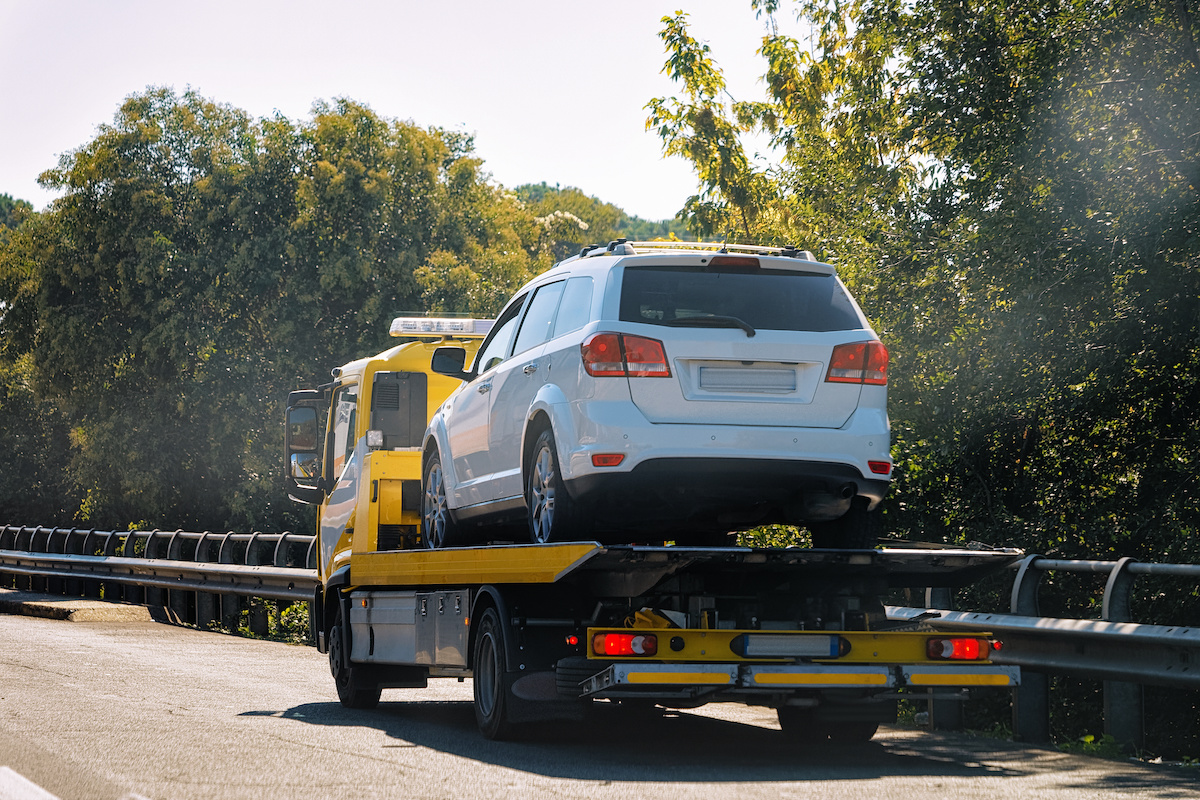
What Happens to a Vehicle After It’s Towed
When a vehicle gets towed, most drivers focus on the immediate problem — the breakdown, accident, or parking issue that led to the tow.
But what happens after the tow truck drives away is often unclear. In Canada, a towed vehicle can take several different paths depending on its condition, ownership status, and repair costs.
From roadside recovery to repair shops, impound lots, or auto recyclers, this guide walks through what really happens to a vehicle after it’s towed — and how Canadian drivers can make informed decisions along the way.
Step 1: The Tow – Why Vehicles Get Removed in the First Place
Vehicles are typically towed for one of four main reasons in Canada:
- Mechanical breakdowns (engine failure, dead transmission, overheating)
- Collision or accident recovery
- Parking or bylaw enforcement
- Abandoned or non-operational vehicles
After an accident, the priority should always be safety first. Once everyone is out of harm’s way and emergency services (if needed) have been contacted, the next step is arranging proper recovery for the vehicle. In situations involving collisions, low-clearance vehicles, or non-drivable cars, it’s important to call a provider that offers specialty towing. If you’re in the Lower Mainland, drivers often choose to call a tow truck in Burnaby through specialty towing to help recover the vehicle safely without causing further damage.
The reason for the tow matters, because it often determines where the vehicle goes next and how much control the owner has over the outcome. In breakdown situations, the owner usually chooses the destination. After accidents or bylaw tows, the vehicle may be taken to a holding or impound facility first.
Step 2: Initial Drop-Off Location
Once the tow is completed, the vehicle is typically delivered to one of the following locations:
Repair Shop or Dealership
If the issue seems repairable, many vehicles are towed directly to a mechanic. This is common when:
- The vehicle is relatively new
- The damage is limited
- The owner intends to repair it quickly
Impound Lot
For parking violations, accident investigations, or abandoned vehicles, the car may be held at a municipal or private impound lot.
Storage fees usually apply daily.
Owner’s Property or Storage Facility
In some cases, vehicles are dropped at a private driveway, storage yard, or rural property — especially if the owner plans to decide next steps later.
Step 3: Inspection and Damage Assessment
After arrival, the vehicle is inspected to determine its condition and value.
What gets evaluated:
- Engine and transmission condition
- Frame or structural damage
- Electrical system status
- Body damage and rust
- Mileage and overall age
- Market value of the vehicle in Canada
For accident-damaged vehicles, insurance adjusters may also be involved. Their assessment often plays a major role in determining whether a vehicle is repaired or written off.
Step 4: Repair vs Write-Off Decision
This is a major turning point in the vehicle’s journey.
When a Vehicle Is Repaired
A vehicle is usually repaired when:
- Repair costs are lower than its market value
- Parts are readily available
- The damage is mostly cosmetic or mechanical
- Insurance approves the repair
When a Vehicle Is Written Off
A vehicle may be declared a total loss when:
- Repair costs exceed its value
- Structural or frame damage is severe
- Flood, fire, or extensive corrosion is involved
- The vehicle is older and parts are costly
In Canada, write-offs are typically classified as repairable, salvage, or non-repairable. Each category affects what happens next.
Step 5: What Happens to Salvage or Written-Off Vehicles
Once a vehicle is deemed uneconomical to repair, it often enters the auto recycling and salvage system.
Transfer to an Auto Recycler or Salvage Yard
Towed vehicles that are written off may be sold to licensed auto recyclers. These facilities dismantle vehicles safely and recover usable components.
Common salvaged parts include:
- Engines and transmissions
- Alternators and starters
- Body panels and doors
- Wheels, tires, and rims
- Interior components
- Mirrors, lights, and electronics
These parts are then inspected, cleaned, and resold as used auto parts, offering Canadians a cost-effective alternative to new components.
Step 6: Environmental Handling and Recycling
Canadian auto recyclers follow strict environmental standards.
Fluids and Hazardous Materials
Before dismantling, recyclers safely remove:
- Oil and coolant
- Brake and transmission fluid
- Fuel
- Batteries and refrigerants
This prevents environmental contamination and allows materials to be recycled or disposed of responsibly.
Metal Recycling
Once reusable parts are removed, the remaining shell is crushed and sent for metal recycling. Steel, aluminum, and other metals are melted down and reused in manufacturing. This process reduces landfill waste and lowers the environmental impact of vehicle disposal.
Step 7: What This Means for Vehicle Owners
If your vehicle has been towed, understanding the process helps you make smarter decisions.
Key questions to ask:
- Is the vehicle worth repairing?
- Are used parts a cost-effective option?
- How long will storage fees apply?
- Can the vehicle be sold or parted out?
- What paperwork is required?
In many cases, choosing used auto parts from a trusted recycler can significantly reduce repair costs and extend a vehicle’s life.
Step 8: How Towing and Auto Recycling Work Together
Towing companies and auto recyclers operate as part of the same ecosystem.
- Tow operators transport disabled vehicles efficiently
- Recyclers handle assessment, dismantling, and reuse
- Parts are returned to the market
- Scrap materials are responsibly processed
This collaboration keeps Canadian roads safer, reduces waste, and provides affordable repair options for drivers.
Common Scenarios After a Tow
Breakdown on the Highway
Vehicle is towed to a shop → assessed → repaired or salvaged.
Accident Recovery
Vehicle is towed to impound → insurance assessment → repair or write-off.
Abandoned Vehicle
Vehicle is towed → stored → transferred to recycler if unclaimed.
Older Vehicle with Major Failure
Vehicle is towed → repair costs exceed value → parts salvaged.
Repair vs Salvage: A Quick Comparison
| Option | Best When | Pros | Cons |
|---|---|---|---|
| Repair | Damage is minor | Keeps the original vehicle | Can be expensive |
| Used Parts Repair | Parts are available | Lower cost, sustainable | Limited availability for some models |
| Salvage / Part-Out | Damage is severe | Recovers value from usable parts | Vehicle won’t return to the road |
| Scrap Recycling | Vehicle is non-repairable | Eco-friendly disposal | Lowest financial return |
Final Thoughts
A towed vehicle doesn’t automatically mean the end of the road. In Canada, every towed vehicle enters a structured process — from inspection and decision-making
to repair, reuse, or recycling.
Understanding what happens after the tow helps drivers avoid unnecessary storage fees, make informed repair decisions, save money using recycled auto parts, and dispose of vehicles responsibly. Whether your vehicle ends up back on the road or contributes parts to keep others running, towing is often just the first step in a much bigger journey.